


JURY
Radar Vienna INTERNATIONAL Award, Radar Vienna AUSTRIAN Award, ANGEWANDTE ANIMATION AWARD, HUBERT SIELECKI AWARD
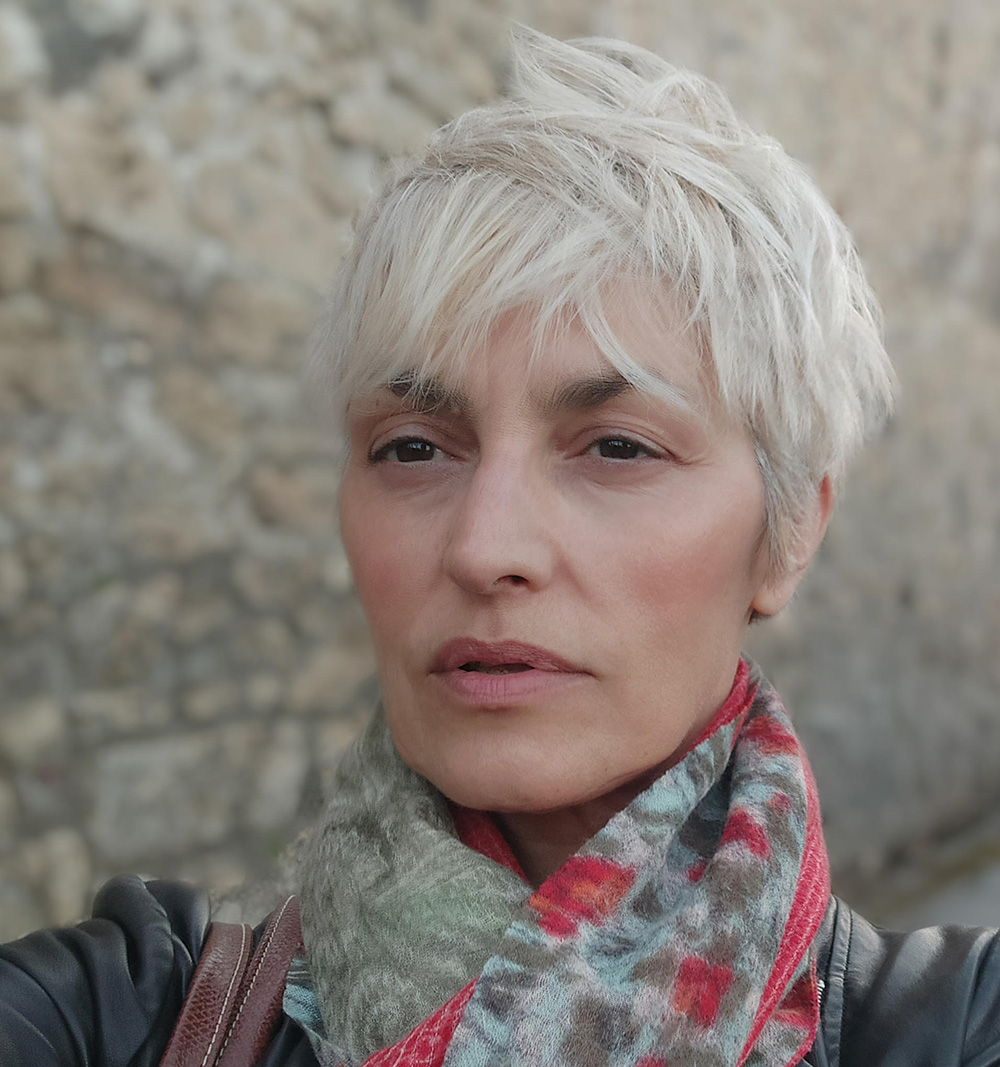
Andrijana Ružić
Andrijana Ružić is an animation film historian based in Milan, where she graduated in the History and Criticism of Art from the Università degli Studi. Specializing in the history of animated film under the tutelage of Giannalberto Bendazzi, her academic focus has centered on the independent and experimental spirits of the medium, beginning with her master’s thesis on the Hubleys’ Storyboard Studio in New York. She writes for publications such as Vreme, Blinkblank, and the Croatian Film Chronicles and serves on the selection board for the Animafest Scanner symposium in Zagreb. In 2020, she authored the monograph Michael Dudok de Wit: A Life in Animation (CRC Focus).
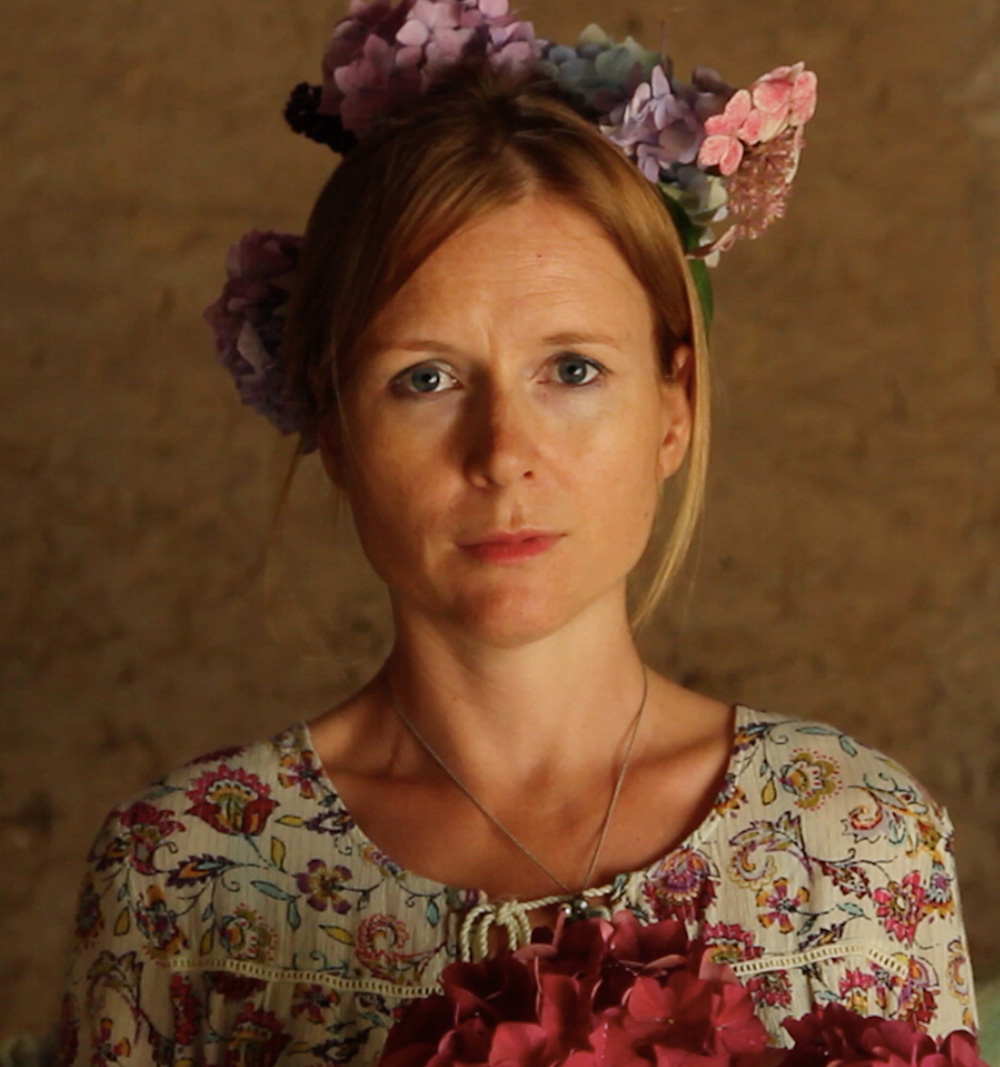
Dr. Tereza Violet Stehlíková
Dr. Tereza Violet Stehlíková is a Czech-British artist, scholar, and filmmaker whose multi-disciplinary practice explores the intersection of sensory perception, embodiment, and the moving image. Born in Prague and based in London for thirty years before returning to her native city in 2021, she holds a PhD from the Royal College of Art, where her research focused on the „tactile language“ of film and the ability of audio-visual media to evoke the proximity senses of touch, taste, and smell. Currently the Head of the Visual Arts Department at the University of Creative Communication in Prague and a visiting lecturer at the Film and TV School of the Academy of Performing Arts (FAMU), she is the founder and editor of the cross-disciplinary journal Tangible Territory and a founding member of the London-based collective Sensory Sites. Her creative work, which includes long-term projects such as 4 Generations of Women and the participatory performance The Infra-ordinary Lab developed for the 2023 Prague Quadrennial, frequently bridges art and science through collaborations with psychologists and neuroscientists. A prominent voice in contemporary artistic research, she is the author of Exiled from Our Bodies: How to Come Back to Our Senses (Routledge, 2025), and she regularly presents her films and sensory installations at international festivals and galleries, advocating for a return to lived, bodily experience in an increasingly digital world.
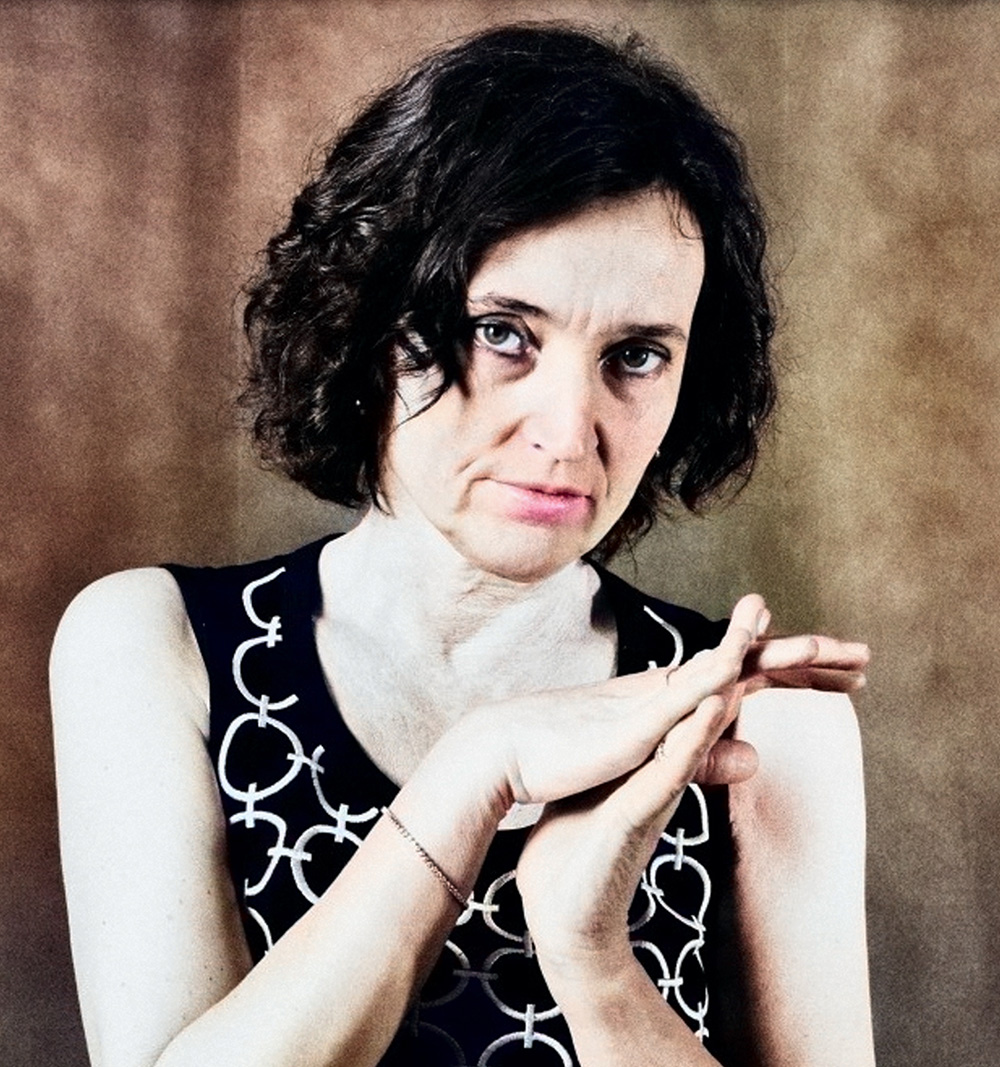
Barbara Luisi
Barbara Luisi is a German-born photographer and visual artist who divides her professional life between Vienna and Venice, bringing a deeply poetic and cosmopolitan gaze to contemporary media. Although originally trained as a classical violinist, she has dedicated the past two decades to photography, evolving a sophisticated aesthetic that explores the interplay of light, darkness, and the human form. Her work, which often utilizes specialized techniques such as platinum printing, large-format silk prints, and digital solarization, has been exhibited in major institutions worldwide, including the Maison Européenne de la Photographie in Paris and the Künstlerhaus in Vienna. Through acclaimed series and monographs such as Nude Nature, Dreamland, and The Rose and the Olive Tree, she investigates the „tactile“ quality of visual media, frequently juxtaposing the textures of aged skin with the gnarled bark of ancient trees or the ephemeral beauty of flora. A frequent collaborator and curator, Luisi has staged immersive installations at the Biennale Internazionale Donna and the Abbaye de La Celle, where she blends photography with video and spatial design to create allegorical journeys that bridge the secular and the sacred. Her expertise in capturing the nuances of nocturnal light and the „sound“ of an image has established her as a singular voice in fine art photography, represented in numerous museum collections and celebrated for her ability to translate emotional resonance into a powerful visual language.
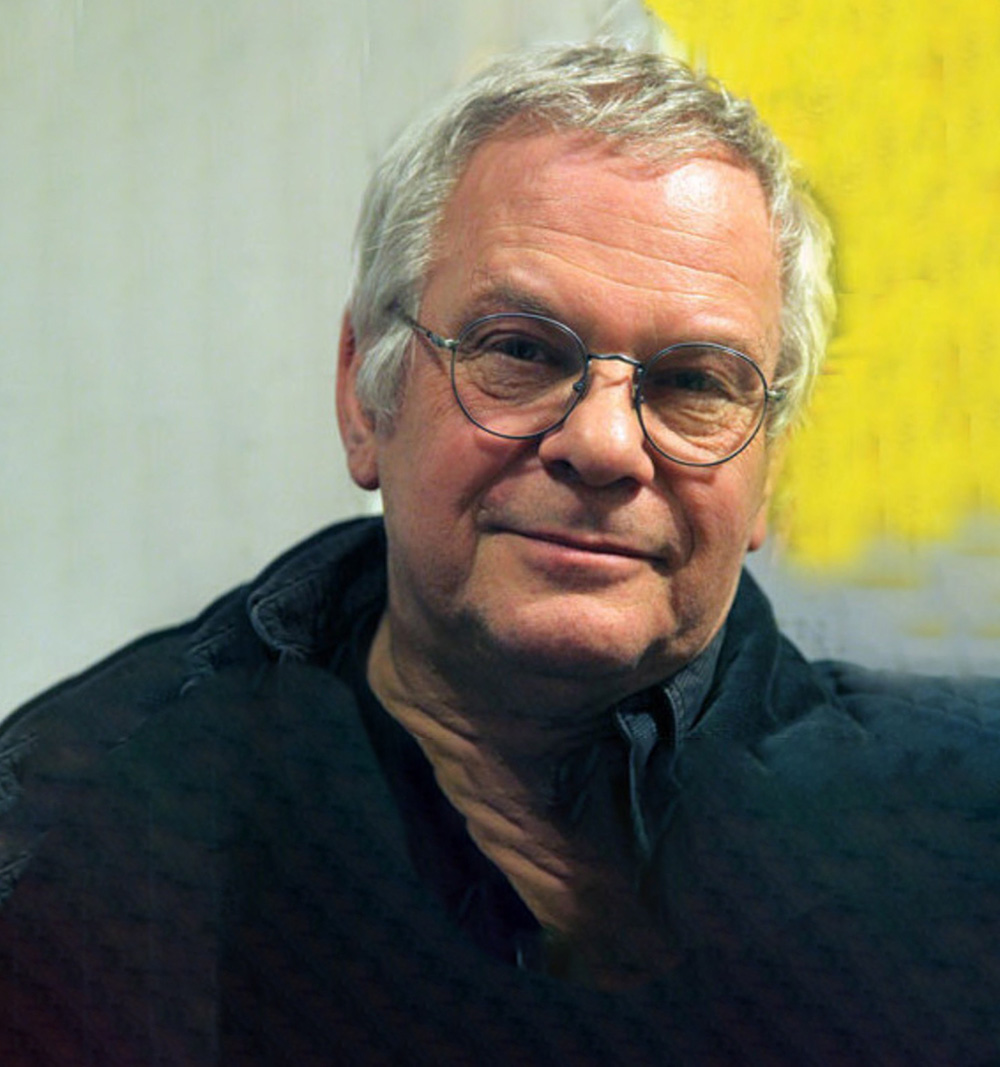
Hubert Sielecki
Hubert Sielecki is an influential Austrian filmmaker, visual artist, and educator whose work occupies a pivotal place in the European avant-garde and experimental animation scene. Born in Carinthia and educated at the University of Applied Arts Vienna and the National Film School in Łódź, Sielecki is perhaps best known for his mastery of the „auteur film,“ in which he frequently handles every facet of production from direction and cinematography to sound design and music. In 1982, he established the Studio for Experimental Animation Film at the University of Applied Arts Vienna within the class of Maria Lassnig—a landmark initiative he directed for three decades, shaping generations of new media artists. His diverse filmography includes celebrated collaborations with major literary and artistic figures, most notably the *Maria Lassnig Kantate*, which earned a nomination for the Golden Bear at the Berlin International Film Festival. As the founder of the Austrian chapter of ASIFA and the creator of the Hubert Sielecki Prize for young experimental filmmakers, he remains a central figure in the institutional and creative promotion of short film. His work, characterized by a unique fusion of mechanical, acoustic, and visual experimentation, has been honored with numerous accolades, including the City of Vienna Prize for Fine Arts and the Theodor Körner Prize, and continues to be showcased at major international festivals from Hiroshima to Zagreb.