


Competition 5
Wednesday, 29.04.2026, 19:00 @ Angewandte Auditorium
approx. 57 min
Free Admission
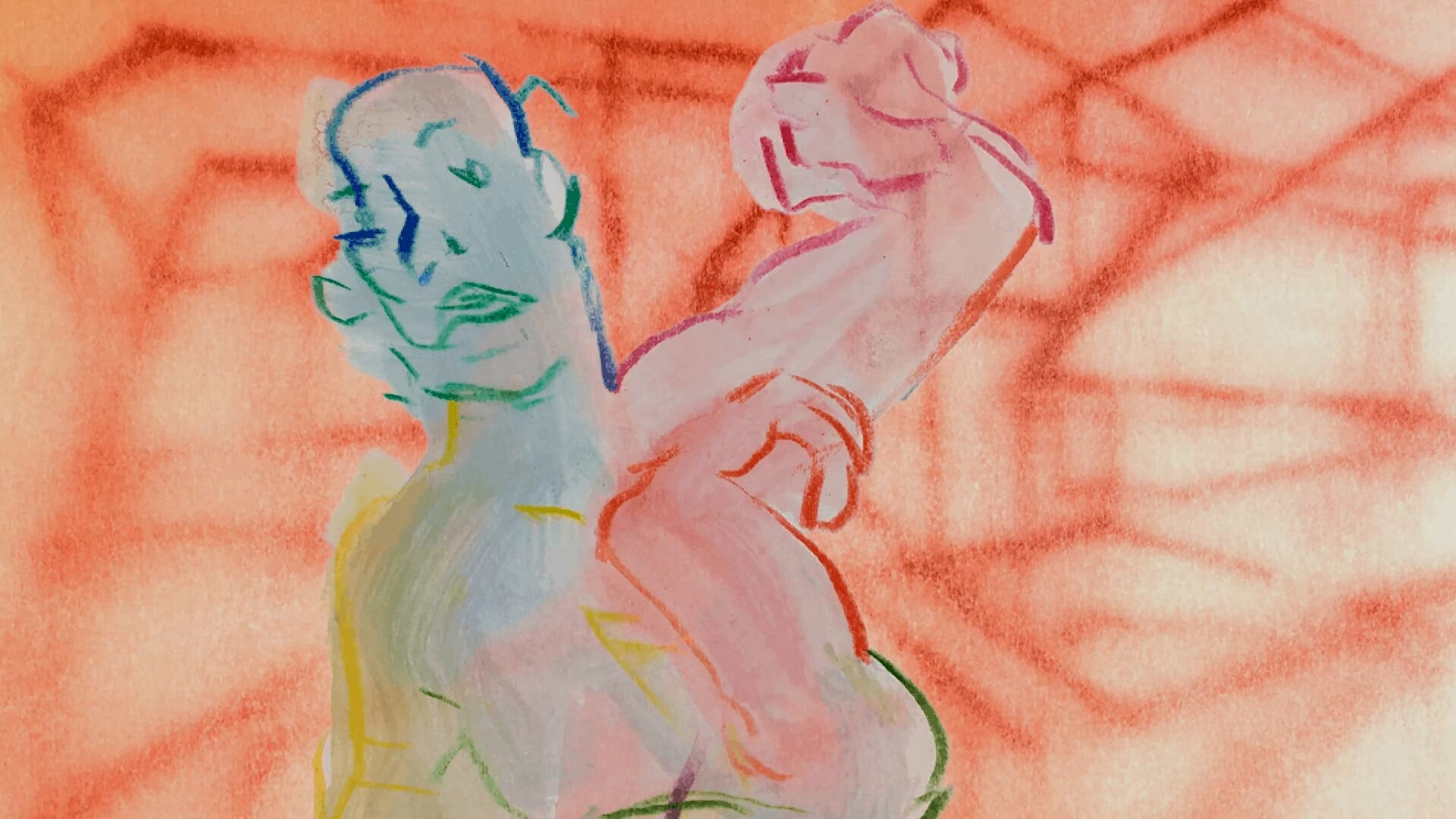
Waiting for the Barbarians
Georges Sifianos | 2026 | 11m 45s | GR
Radar Vienna INTERNATIONAL Award
Competition 05
In a city—evoking, without specificity, a city of the Roman Empire—the poem depicts a state of waiting: the arrival of the “Barbarians” has been announced, the emperor himself seems ready to submit to their authority, and every hypothesis about the future is possible. The city holds its breath in anticipation… But who, exactly, are these “Barbarians”? And what if they do not come?
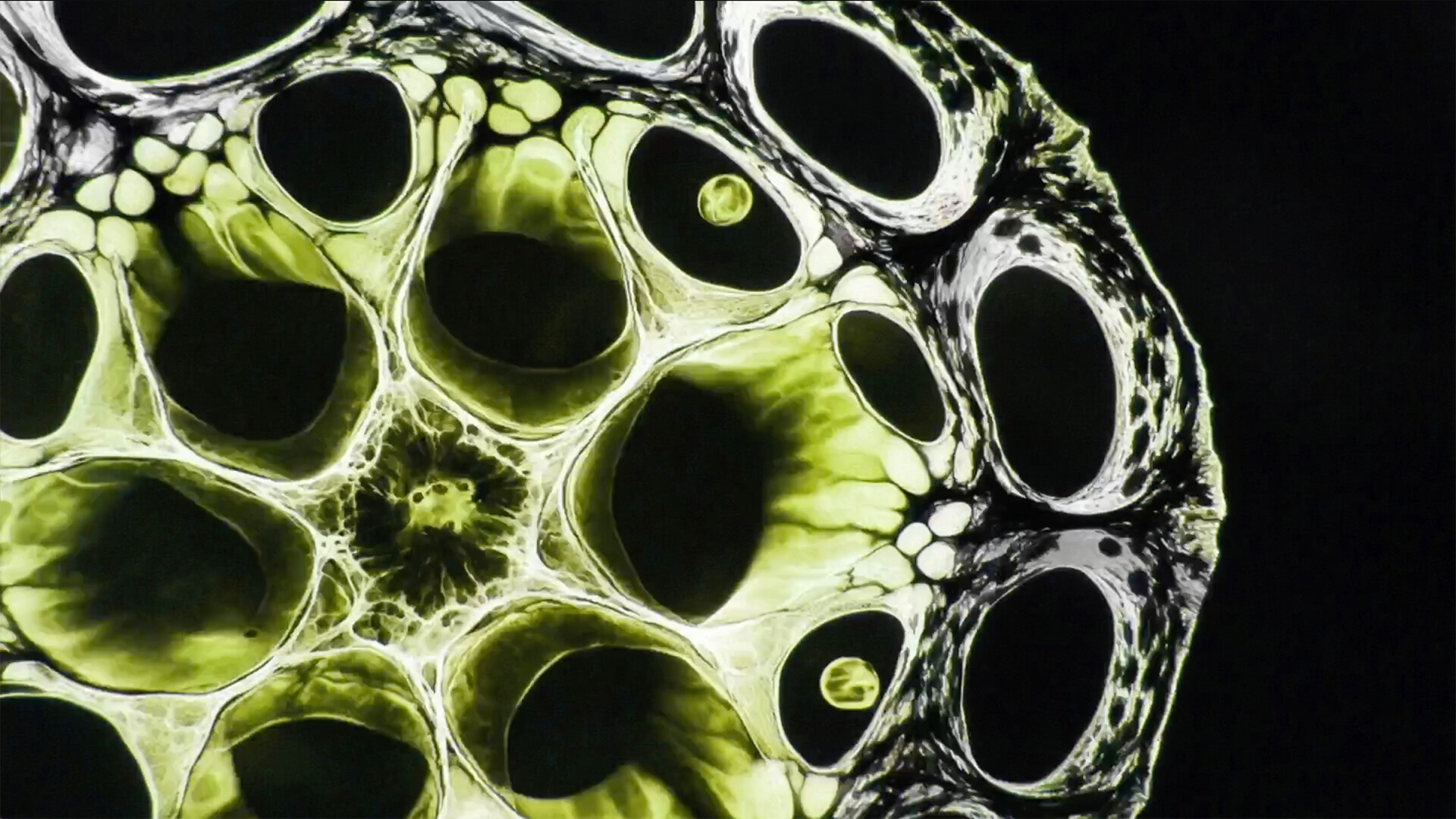
Textura Vitae
Junqing Li, Ziqi Wang, Lan Ou, Sin Wun Sit | 2025 | 4m 55s | HK
Radar Vienna INTERNATIONAL Award
Competition 05
Textura Vitae is a stirring musical animation that unravels leaves as a microcosm of the natural world, accompanied by stunning AI-generated images. Imagining a journey of exploration, from the forest canopy down to microscopic cellular structures, the film reveals the intricate beauty of organic forms through a synthetic lens. Utilizing multiple generative AI platforms, the leaf evolves from a simple botanical object into a metaphor for nature’s intelligent design and transformative energy, manifested through vein textures, pulsing chlorophyll, and abstract cellular geometries. Ultimately, it is a visual dialogue that encourages curiosity about the layered rhythms of leaves and the unseen complexities within nature.
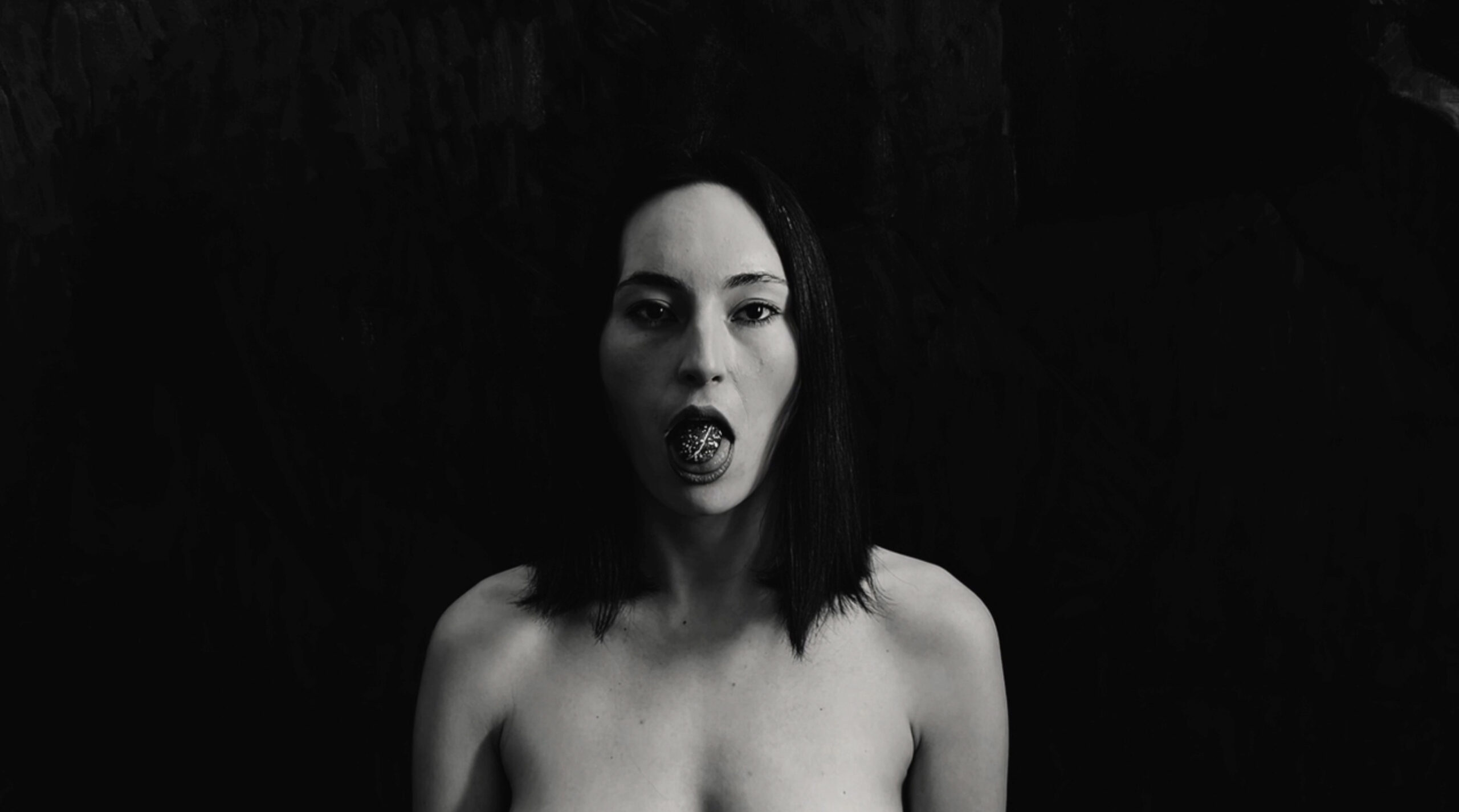
Manifesto of the Stone upon the Water
Vladimir Davidia, Anna Selivanova | 2025 | 14m 9s | UA
Radar Vienna INTERNATIONAL Award
Competition 05
A 14-minute wordless cine-manifesto born from darkness, chance, and the eroticized body. Written after the downfall of the Occident, this prophecy uses painting—the freest of arts—to resist the indifferent flow of linear time.
European culture once rested on the stone; it supported what stood above but crushed what lay beneath. Now, as foundations dissolve and freedom drowns, we perform a symbolic act: returning the stone, but setting it upon the water. „Manifesto of the Stone upon the Water“ is both a declaration about the survival of art and the act of painting itself.
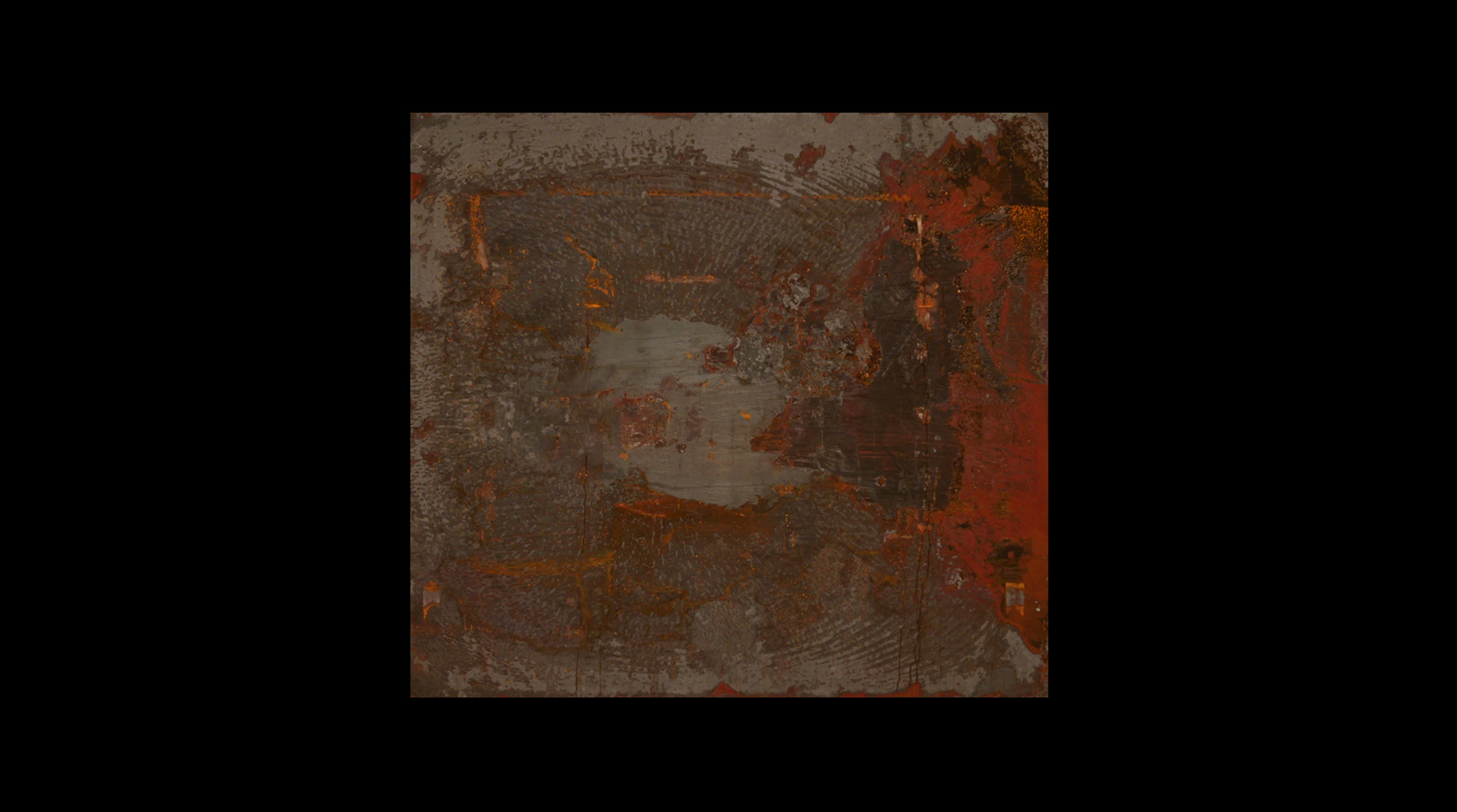
EQUAL
Tom Bessoir | 2025 | 3m 47s | US
Radar Vienna INTERNATIONAL Award
Competition 05
EQUAL is a cinematic exploration of Richard Serra’s sculpture of the same name on display at the Museum of Modern Art.
The sculpture consists of eight forged-steel blocks stacked in pairs. Each rectangular block measures 5 feet by 5 and 1/2 feet by 6 feet and weighs 40 tons. The blocks are rotated and stacked so that the top and bottom blocks align differently. Yet the four stacks are each 11 feet tall.
This simple form makes me think about space, mass, weight, and time. Like the sculpture, my film seeks to both overwhelm the viewer and invite contemplation.
The Simultaneity of Breathing
Mersolis Schöne | 2024 | 4m 14s | AT
Radar Vienna AUSTRIAN Award
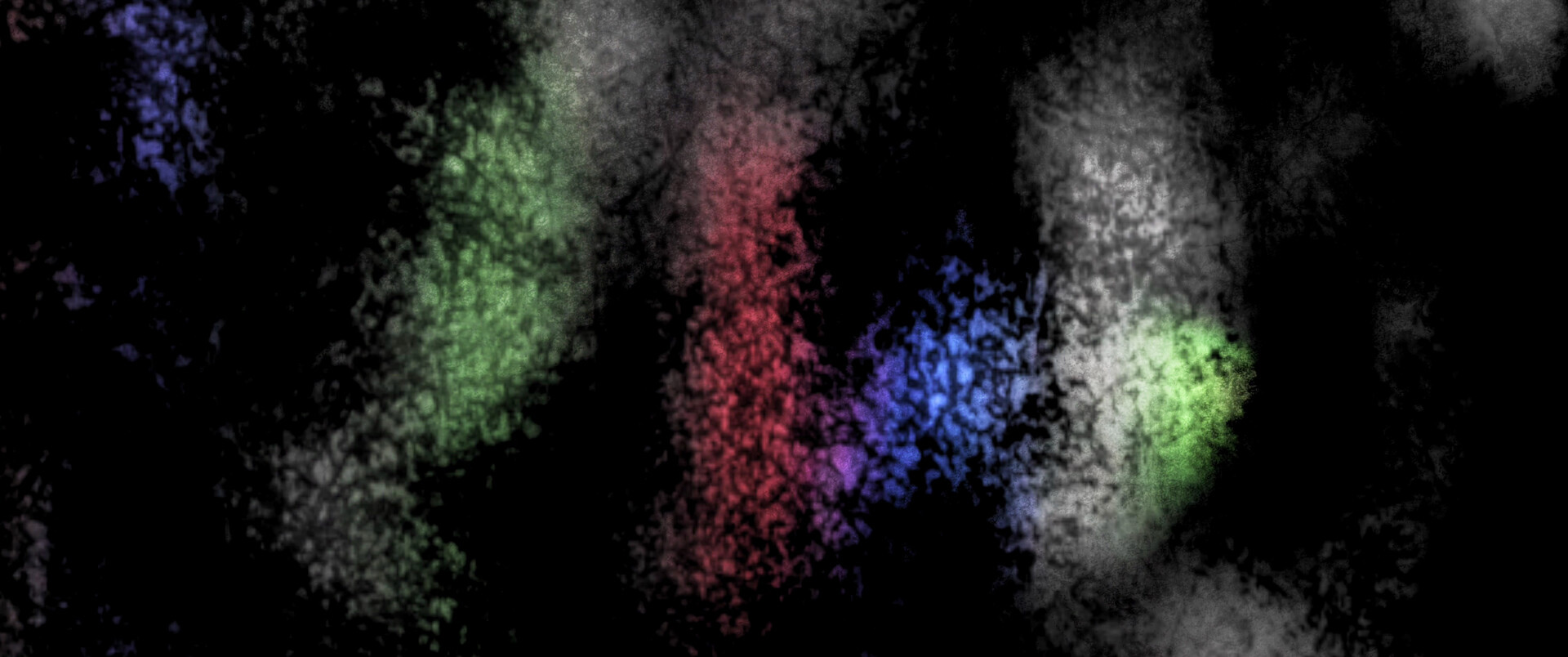
In “The Simultaneity of Breathing”, Mersolis Schöne envisions experimental film production as a place of encounter where drawings and press photos by Austrian artist Lisa Est and Thomas Ballhausen’s poetry come together in a shared philosophical experiment. Through the voices of Apollina Smaragd (German) and James Delaney (English), lines such as “words / that always keep us alive” lead us to the threshold of a semantic breath. The film itself takes shape as a living, poetic being that explores those fleeting moments when reality and possibility meet in the blur between breaths.
Dizzy Cavalry
Patrick Doyon | 2025 | 1m | CA
Radar Vienna INTERNATIONAL Award
Competition 05
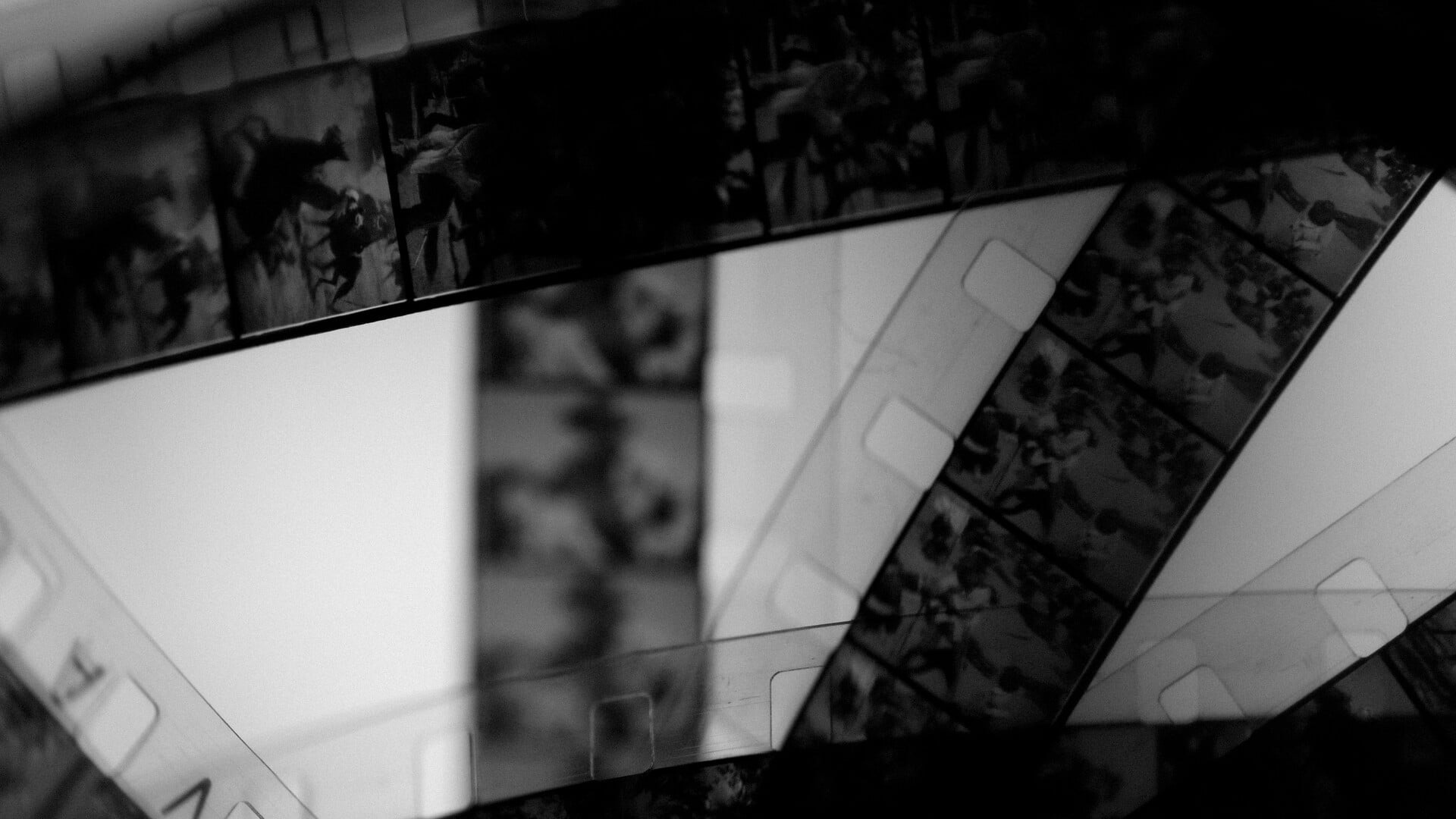
An 8mm reel of a Hollywood western flickers to life once more. As the first call of the bugle rings out, the cavalry charges—swift and chaotic—while the film strains to keep pace. It ripples, trembles and tangles, caught in the chaos of gunfire and the thunder of galloping hooves.
STAMPFER DREAMS
Thomas Renoldner | 2024 | 10m 50s | AT
Radar Vienna AUSTRIAN Award
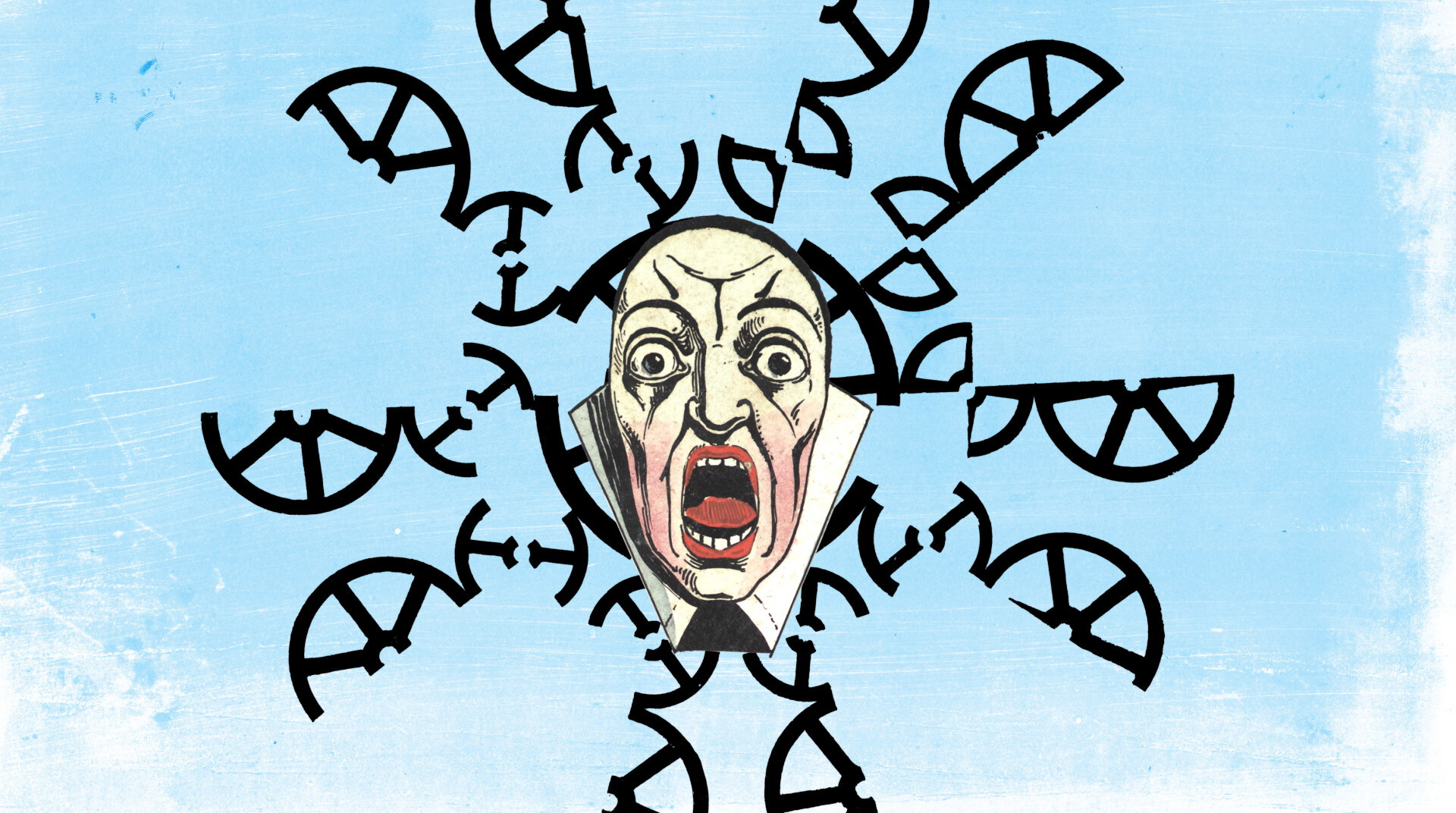
STAMPFER DREAMS is a homage to the scientist Simon von Stampfer, who presented his invention of the Stroboscopic Discs in Vienna in 1833. These discs show all kinds of animated loops from abstract to figurative and from (literally) experimental to documentary, and in this way forsee the variety of genres in animated film. All characters and animated sequences in STAMPFER DREAMS are taken from / based on these “optical magic discs”.
The film starts in the alpine region of Simon’s childhood and vaguely follows his biography. Three ‚dreams‘ depict his imagination of the further evolution mankind might make, with a watermill as the starting point for an industrial revolution that will ultimately lead to our present.
Brosch AI – Distorted Dreams
Juergen Hagler, Celine Pham, Jolanda Abasolo, Victoria Wolfersberger | 2025 | 6m 12s | AT
Radar Vienna AUSTRIAN Award
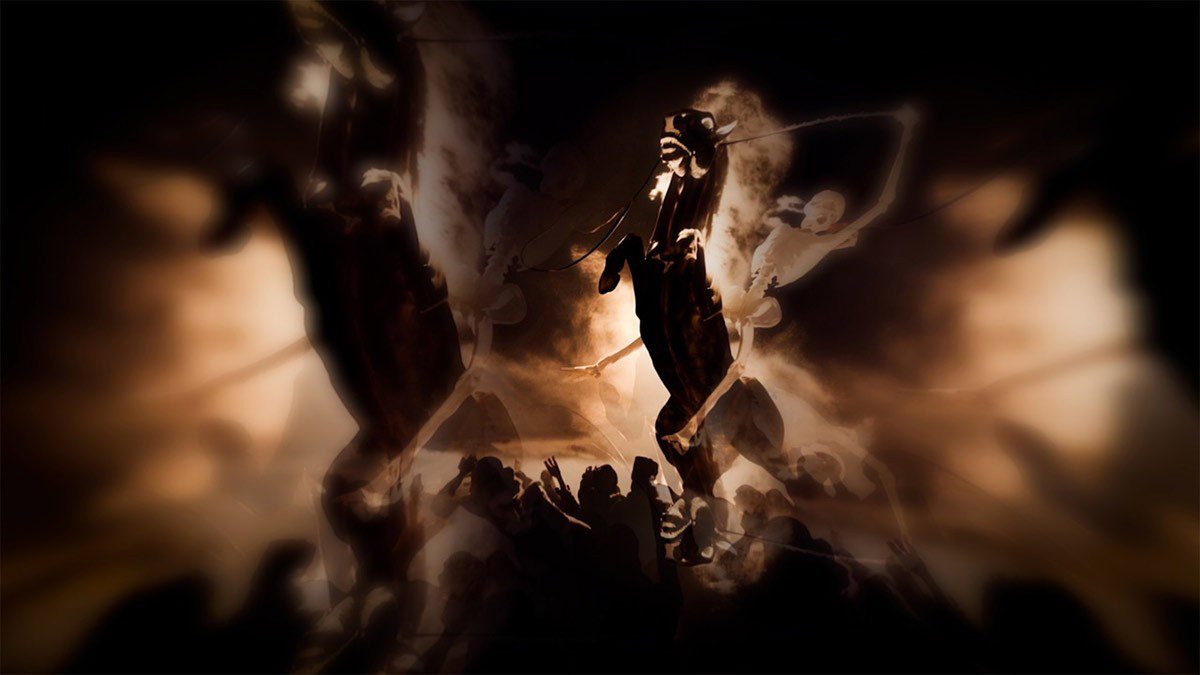
Brosch AI – Distorted Dreams is an experimental animated short film that explores the intersection of artificial intelligence, art, and archival material. It delves into the enigmatic world of the Upper Austrian artist Klemens Brosch (1894–1926), whose hauntingly melancholic and darkly romantic visual universe is now being reimagined through AI-driven animation.
Brosch, often described as a visionary talent plagued by inner demons, led a life marked by severe mental illness, morphine addiction, and ultimately suicide. His work, which oscillates between dreamlike beauty and eerie introspection, has been called a „psychogram of self-destruction“ (Nowak-Thaller, 2016). Brosch AI – Distorted Dreams seeks to expand on his artistic legacy by utilizing AI technologies to reconstruct, animate, and reinterpret his drawings.
By integrating images from Brosch’s archive and written sources about the artist into an AI workflow, this project experiments with the potential of AI-generated animation to deepen our understanding of his unique visual world. AI tools such as LumaLabs DreamMachine, Haiper, and Kling.ai are employed to transform Brosch’s original works into animated paintings while preserving his distinctive aesthetic.
The film unfolds as a balancing act between artistic fidelity and the unpredictable nature of AI-driven creativity. It highlights the tensions between human intention and algorithmic interpretation, revealing both the limitations and the unforeseen inspirations that arise from this collaboration. The AI’s output fluctuates between uncanny accuracy and unexpected distortions—an apt reflection of Brosch’s own tormented artistic vision.
Ultimately, Brosch AI – Distorted Dreams is more than just an animated film; it is an exploration of how artificial intelligence can be used as a tool to reinterpret and extend artistic heritage. By questioning the role of AI in art production and historical representation, the project opens up new perspectives on the ways we engage with the past through technology.